


This is the web site of Avian Enrichment
Our postal address is:
Avian Enrichment, LLC
PO Box 2203
Grand Junction, CO 81502
We can be reached via e-mail at
We collect the following information:
- e-mail addresses of those who communicate with us via e-mail,
- aggregate information on what pages consumers access or visit,
- information volunteered by the consumer, such as survey information and/or site registrations, name and address, telephone number
The information we collect is:
- used to improve the content of our Web page,
- used to notify consumers about updates to our Web site,
- used to contact consumers for marketing purposes,
- disclosed when legally required to do so, at the request of governmental authorities conducting an investigation, and
- used to verify or enforce compliance with the policies governing our Website and applicable laws or to protect against misuse or unauthorized use of our Website
If you do not want to receive e-mail from us in the future, please let us know by sending us e-mail at the above address or by using the unsubscribe option on any newsletter.
If you supply us with your postal address on-line you may receive periodic mailings from us with information on new products and services or upcoming events. If you do not wish to receive such mailings, please let us know by calling us at the number provided above. Please provide us with your exact name and address. We will be sure your name is removed from the list.
With respect to Ad Servers: We do not partner with or have special relationships with any ad server companies.
The information we collect is not shared with outside third parties. However, it would be shared with a successor entity in connection with a corporate merger, consolidation, sale of assets or other corporate change respecting the Website.
From time to time, we may use customer information for new, unanticipated uses not previously disclosed in our privacy notice. If our information practices change at some time in the future we will post the policy changes to our Web site to notify you of these changes and provide you with the ability to opt out of these new uses. If you are concerned about how your information is used, you should check back at our Web site periodically.
Upon request we provide site visitors with access to unique identifier information that we maintain about them (e.g., name, address, email address and phone number).
Upon request we offer visitors the ability to have inaccuracies corrected in contact information.
Consumers can access this information or have this information corrected by sending us e-mail at the above address.
If you feel that this site is not following its stated information policy, you may contact us at the above addresses or phone number, The DMA's Committee on Ethical Business Practices at
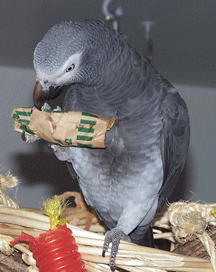
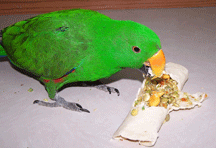
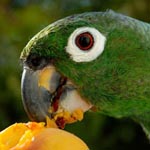
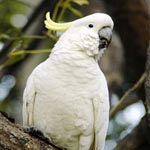
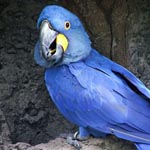


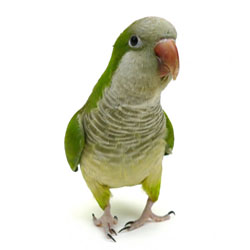 Welcome to Avian Enrichment where our mission is to provide information to bird owners that will foster a deeper understanding of the emotional, instinctual and physical needs of parrots. We believe, that the better we understand our birds, the better we can ensure that they will live happy, healthy and fulfilled lives as our companions.
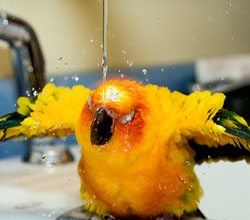 As caretakers of these marvelous creatures we must provide for their physical needs to the very best of our abilities. By consistently addressing all of the key areas outlined in our articles you will not only enhance your bird's quality of life but will also strengthen his relationship with you.
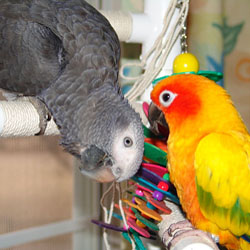 Parrots have been described as having the emotional equivalent of a 2 year old child. We wouldn't think of leaving a toddler locked alone in a room deprived of opportunities for social interaction, nurturing, intellectual challenge or guidance for several hours a day and expect them to develop into a healthy, happy and fully functioning beings. We also can't expect this of our parrots. As with children, parrots need a lot of patience, attention and nurturing guidance, as well as opportunities to learn and explore.
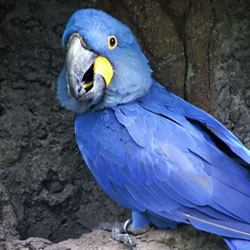 Regardless of the fact your baby parrot may have been born in captivity, parrots are still instinctually hardwired to survive in the wild. Unlike dogs and cats who have been selectively bred and domesticated over several millennia, parrots have only been bred domestically for a few generations and therefore they are not that different (physically or psychologically) from their wild counterparts.

Comments powered by CComment